
All-on-4 vs All-on-6 Dental Implants: Choosing the Best Solution in Bayside, NY
posted: Dec. 11, 2025.
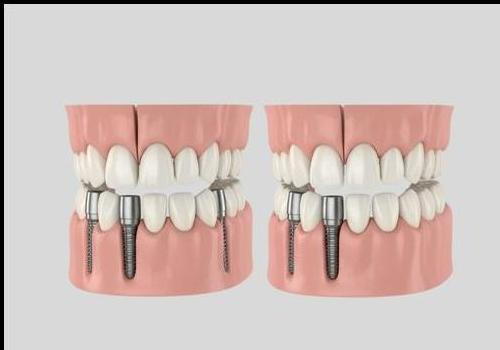
Choosing between All-on-4 and All-on-6 dental implants can feel confusing, especially when both promise a stable, long-lasting smile. You want a solution that looks natural, feels comfortable, and fits your lifestyle.
All-on-4 uses four implants to support a full arch of teeth, while All-on-6 uses six for added strength and stability. Understanding these differences helps you make a confident choice that supports your oral health for years to come.
You’ll learn how each option works, what makes them different, and which one might suit your specific needs. Whether you’re focused on durability, comfort, or cost, knowing how these treatments compare will guide you toward the right fit. The goal is to help you smile, speak, and eat with ease, without the uncertainty of removable dentures.
All-on-4 and All-on-6 Dental Implants Overview
These implant systems replace an entire arch of missing teeth using fewer implants than traditional methods. They provide a stable base for fixed prosthetic teeth, helping you eat, speak, and smile with confidence after tooth loss.
What Are All-on-4 Dental Implants?
All-on-4 dental implants use four titanium posts placed in your jaw to support a full arch of replacement teeth. Two implants are positioned vertically in the front, while two are angled in the back to maximize contact with available bone.

This design often avoids the need for bone grafting, which can shorten treatment time. It’s a good option if you have some bone loss but still want a secure, fixed restoration instead of removable dentures.
Your dentist attaches a custom bridge that looks and functions like natural teeth. You can brush and care for it much like your real teeth. Many people choose this method for its balance of cost, stability, and shorter recovery period.
Key Feature | All-on-4 |
Number of Implants | 4 |
Placement | 2 front vertical, 2 back angled |
Bone Grafting | Often not needed |
Ideal For | Moderate bone loss, faster treatment |
If you’re missing several teeth and want a stable, natural-looking solution, All-on-4 dental implants may be right for you. Schedule a consultation with University Dental in Bayside, NY to see if you’re a candidate.
What Are All-on-6 Dental Implants?
All-on-6 dental implants use six posts to anchor a full arch of teeth. The extra implants provide added support and distribute bite pressure more evenly across your jaw.
This method can offer greater long-term stability, especially if your bone structure is strong enough to hold six implants. It may also help preserve bone density by spreading the load more evenly.
You’ll still receive a fixed bridge that feels natural and allows you to chew comfortably. The process takes longer than All-on-4, but it can result in a stronger foundation for your new smile.
Key Feature | All-on-6 |
Number of Implants | 6 |
Placement | Evenly spaced along the jaw |
Bone Grafting | Sometimes required |
Ideal For | Good bone density, extra stability |
Full Arch Restoration Explained
A full arch restoration replaces all teeth in your upper or lower jaw with a fixed bridge supported by implants. Instead of one implant per missing tooth, a few implants hold multiple prosthetic teeth together.
This approach gives you a permanent, non-removable solution that looks and feels natural. You can eat most foods comfortably and maintain your oral hygiene with regular brushing and flossing.
Both All-on-4 and All-on-6 techniques aim to restore full function and appearance after tooth loss. The difference lies in the number of implants used and how they distribute force to your jawbone, which affects long-term comfort and durability.
Key Differences Between All-on-4 and All-on-6
These two full-arch implant systems differ in how many implants support your new teeth, how they handle chewing pressure, and how much jawbone you need for a secure fit. Each option offers unique benefits depending on your bone density and long-term oral health goals.
Implant Number and Placement
The All-on-4 method uses four titanium implants per arch. Two are placed vertically in the front of your jaw, and two are angled in the back to make the most of your existing bone. This design often avoids the need for bone grafting and shortens treatment time.
The All-on-6 approach uses six implants per arch. The extra two implants provide more points of contact and distribute weight more evenly across your jawbone. This setup can create a sturdier base for your prosthetic teeth, especially if you have adequate bone volume to support the additional implants.
Feature | All-on-4 | All-on-6 |
Number of implants | 4 | 6 |
Placement | Angled back implants | Evenly spaced, more vertical |
Support level | Moderate | Higher |
Typical bone need | Lower | Higher |
Stability and Bite Force
A key difference lies in stability and how well each system handles bite force. With four implants, the All-on-4 system provides strong support for daily use, but pressure is concentrated on fewer points. This can slightly limit how much force you can apply when chewing tougher foods.
The All-on-6 system spreads chewing forces across six implants, reducing stress on each one. This can make biting and chewing feel more natural and balanced. You may notice improved comfort and confidence when eating, especially if you tend to chew with more force or prefer a wider range of foods.
Extra implants also reduce the risk of overloading any single implant, which may help maintain jawbone health over time.
Bone Requirements and Bone Grafting
Bone density and volume play a major role in choosing between these systems. The All-on-4 technique works well if you have some bone loss, as the angled back implants use the denser parts of your jawbone. This often eliminates the need for bone grafting, which can save time and cost.
The All-on-6 option usually requires stronger bone support because of the extra implants. If your jawbone has thinned or weakened, your dentist may recommend bone grafting to build up the area before surgery.
Having more bone to anchor the implants can improve long-term stability and reduce the chance of implant failure. Your dentist will assess your bone density with scans to decide which system fits your needs best.
If you’re considering full-arch restoration and want to understand whether All-on-4 or All-on-6 dental implants are right for you, schedule a consultation with University Dental in Bayside, NY. Our experienced implant team will evaluate your bone health, explain your options in detail, and create a personalized treatment plan to restore your smile with lasting comfort and stability.
Candidacy and Suitability for All on 4 vs All on 6
Your bone structure and oral health play a major role in deciding which implant system fits you best. The stability of the implants depends on how much bone support you have and how well your mouth functions when chewing and speaking.
Evaluating Jawbone Health
Your jawbone health determines whether you can support four or six implants. If you have strong bone density, you may qualify for either option. People with less bone volume often benefit from the All-on-4 approach because it uses angled implants to make the most of available bone.
Dentists usually perform 3D scans or CT imaging to measure bone thickness and quality. These images help identify the best implant positions and whether bone grafting is needed.
If your bone has thinned due to tooth loss or gum disease, an All-on-6 system might offer better stability. The two extra implants spread chewing pressure more evenly, reducing strain on weaker areas of the jaw.
Key factors affecting suitability:
- Bone height and width
- Bone density and quality
- History of bone loss or resorption
- Previous extractions or grafting procedures
Chewing Ability and Oral Health Considerations
Your chewing ability and oral health affect how well you adjust to full-arch implants. If you chew with high force or eat dense foods, All-on-6 implants may give you added strength and durability. The extra implants distribute pressure more evenly across the arch.
If you have healthy gums and no active infections, both systems can work well. However, if you have gum disease, your dentist will likely treat it before implant surgery.
Good oral hygiene is essential for long-term success. You’ll need to brush and floss around the prosthetic carefully to prevent inflammation. Regular dental checkups help monitor implant health and catch early signs of bone changes.
In short: better bone support and strong oral hygiene habits increase your chances of long-term implant success.
Treatment Experience and Longevity With All-on-4 and All-on-6 Implants (Bayside, New York)
Both All-on-4 and All-on-6 implants use titanium posts to support a full set of replacement teeth. Your experience depends on factors like bone density, healing response, and daily oral care habits that affect how long the implants last and how comfortable they feel over time.

Procedure Steps for Each Option
For All-on-4, your dentist places four titanium implants—two near the front vertically and two angled toward the back. This layout often avoids bone grafting and allows faster placement of a temporary bridge. Many patients leave the same day with fixed teeth.
With All-on-6, six implants are placed vertically across the jaw for added stability. This method may require more bone support and a slightly longer procedure. It provides stronger load distribution, especially if you have a firm bite or grind your teeth.
Both treatments begin with a 3D scan and digital planning. You’ll receive local anesthesia or sedation for comfort. After healing, a custom bridge made from ceramic or zirconia replaces the temporary one, restoring full chewing function.
Recovery and Maintenance
Healing usually takes three to six months, during which the implants fuse with your jawbone through a process called osseointegration. You’ll wear a temporary set of teeth while the bone bonds to the titanium posts.
Good oral hygiene is key. Brush twice a day with a soft brush, clean under the bridge using a water flosser, and visit your dentist regularly for checkups. Avoid smoking and excessive alcohol, as both can slow healing and increase implant failure risk.
A balanced diet with enough calcium and vitamin D supports bone health. Once healed, your implants should feel stable and natural when chewing or speaking.
Implant Failure and Long-Term Success
Both systems have high success rates, often above 95% after several years. Failures usually occur when the bone doesn’t integrate properly, often due to infection, poor hygiene, or heavy bite pressure.
All-on-6 offers more stability if one implant fails since the load spreads across six posts. All-on-4 can still perform well but may need repair if one implant loses support.
With proper care and regular dental visits, your implants can last 15–20 years or more, maintaining strong function and good oral health.
Cost, Value, and Lifestyle Considerations
Choosing between All-on-4 and All-on-6 dental implants often depends on your budget, long-term goals, and daily comfort. Each option offers different benefits in cost, durability, and how naturally it fits into your routine.
Upfront Costs and Long-Term Value
The All-on-4 system usually costs less at first because it uses four implants per arch instead of six. Fewer implants mean shorter surgery time, less material, and lower lab fees.
However, All-on-6 can offer more stability and support for your bite. This may reduce the need for future adjustments or repairs. Over time, this could balance out the higher initial price.
Option | Average Cost Range (per arch) | Key Value Point |
All-on-4 | $15,000–$25,000 | Lower upfront cost |
All-on-6 | $20,000–$30,000 | Added stability and longevity |
If you have good bone density, All-on-4 may provide reliable results at a lower cost. But if your jawbone needs extra support, All-on-6 might be a better investment for long-term comfort and durability.
Lifestyle Impact and Patient Satisfaction
Both implant types restore your ability to eat, speak, and smile with confidence. All-on-6 often feels more natural when chewing tougher foods because the extra implants spread pressure more evenly.
You’ll likely notice less slipping or movement with All-on-6, which can make daily activities more comfortable. All-on-4, though, still offers strong function and a quicker recovery time.
Many patients appreciate that both options are fixed, not removable. You can clean them like natural teeth and enjoy most foods without worry. Your dentist can help you decide which setup best fits your habits and comfort level.
Frequently Asked Questions
Choosing between All-on-4 and All-on-6 dental implants depends on your bone strength, oral health, and long-term goals. Each option offers different benefits for stability, cost, and healing time, so understanding these details helps you make an informed decision about your treatment.
What are the main differences between All-on-4 and All-on-6 dental implants?
All-on-4 uses four implants to support a full arch of teeth, while All-on-6 uses six. The extra two implants in the All-on-6 method spread chewing pressure more evenly and can add stability, especially if you have adequate bone density.
With All-on-4, fewer implants mean a shorter procedure and faster recovery. All-on-6 may involve more surgery but can provide stronger long-term support.
How do I know if I'm a better candidate for All-on-4 or All-on-6 dental implants?
Your bone density and oral health determine which option fits best. If you have less bone volume, you may qualify for All-on-4 because it uses angled implants to make the most of your existing bone.
If your jawbone is strong and healthy, All-on-6 could be better since it offers more support and durability. Your dentist will confirm this through X-rays or scans.
What are the pros and cons of choosing All-on-4 compared to All-on-6?
All-on-4 is usually less invasive and more affordable. It often allows you to leave the office with new teeth the same day.
All-on-6 provides greater stability and may reduce stress on each implant, but it can cost more and take longer to heal. Both options replace missing teeth permanently and improve your ability to chew and speak.
Can you explain the longevity and durability of All-on-4 implants versus All-on-6?
Both implant systems can last many years with proper care. The All-on-6 design may offer extra durability because the load is shared across more implants, lowering the risk of wear or implant failure.
All-on-4 remains reliable but may need closer monitoring if you have limited bone support. Regular dental visits help keep both systems in good condition.
What is the typical recovery time for All-on-4 implants as opposed to All-on-6?
Recovery for All-on-4 is often shorter since fewer implants are placed. Most people resume normal eating within a few weeks, though full healing can take several months.
All-on-6 may require a slightly longer recovery because of the extra implants, but the difference is usually small. Your dentist will guide you on safe eating and cleaning habits during healing.
How does the cost of All-on-4 dental implants compare with All-on-6?
All-on-4 usually costs less because it uses fewer implants and involves less surgical time. It’s often a good choice if you want a fixed solution at a lower price.
All-on-6 costs more upfront but can be more cost-effective over time due to added stability and fewer long-term complications. Your total cost depends on materials, clinic location, and any extra procedures.