
How to Help Child With Dental Anxiety: Friendly Parent Guide
posted: Dec. 11, 2025.
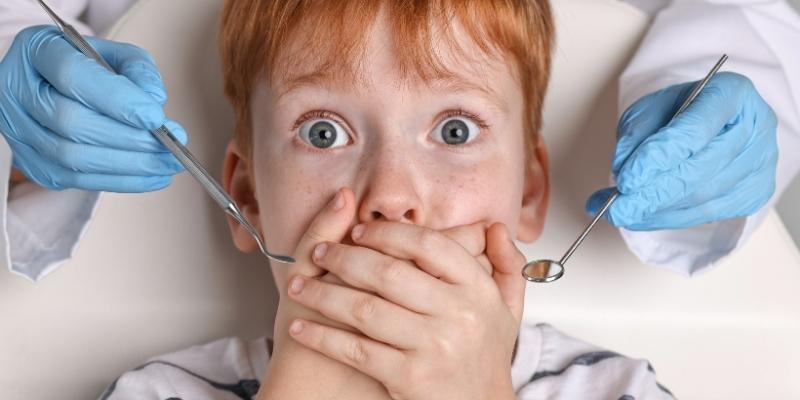
Helping a child with dental anxiety starts by understanding their fears and taking steps to make dental visits less scary.
Creating a calm, positive experience and using simple tools like play and relaxation can make a big difference in easing their worries. Your support helps your child feel safe and more willing to face dental care.
Choosing a dentist who is friendly and patient with kids can also help your child feel comfortable.
You can prepare your child by talking honestly about what to expect and bringing along comforting items to their appointments.
These small actions build trust and reduce fear over time.
When anxiety is strong, there are options like sedation that can keep your child calm and safe during treatment.
Key Takeaways
- Understanding your child’s feelings is key to managing their dental anxiety.
- Preparing your child and picking the right dental team reduces fear.
- Comfort and support during visits encourage positive dental experiences.
Book Your Child’s Appointment Today at University Dental in Bayside!
Understanding Dental Anxiety in Children
Dental anxiety can come from many different things your child experiences or feels. Studies show that 1 in 3 children experience some form of dental anxiety, with many avoiding necessary dental care as a result.
It often affects how they behave before and during dental visits and can even influence their oral health if it keeps them from getting regular care.
Common Causes of Dental Anxiety
The National Institute of Health (NIH) reports that up to 40% of children experience significant dental anxiety before their first appointment.
Children may fear the unknown, especially if they’ve never visited a dentist before.
New sounds, smells, and sights can feel scary to them.
Sometimes, a past bad experience, like pain during a procedure, can make them nervous for future visits.
Your child might also pick up worries from stories they hear from friends or family.
Sensory sensitivities, like the feeling of dental tools or bright lights, can increase fear too.
Some kids simply have a natural nervousness about medical settings, which is very common.
How Dental Anxiety Affects Oral Health
When a child is afraid of the dentist, they might avoid appointments.
Missing regular checkups can cause problems like cavities or gum issues to go untreated.
This may lead to bigger treatments that can make anxiety worse.
Anxiety can also make your child tense during visits, which can make treatment harder or longer.
Stress might cause them to resist brushing or flossing at home because they associate dental care with fear, which affects their daily oral health habits.
Signs Your Child May Be Anxious About Dental Visits
Look for signs like stomach aches, headaches, or trouble sleeping before a dental appointment.
Your child might cry, cling to you, or say they don’t want to go.
Some kids become very quiet or withdrawn when talking about the dentist.
Physical signs like sweating, shaking, or refusal to enter the dental office are also common.
Pay attention to any changes in behavior around dental care, these can help you understand when your child needs extra support to feel safe during visits.
Preparing Your Child for a Dental Visit
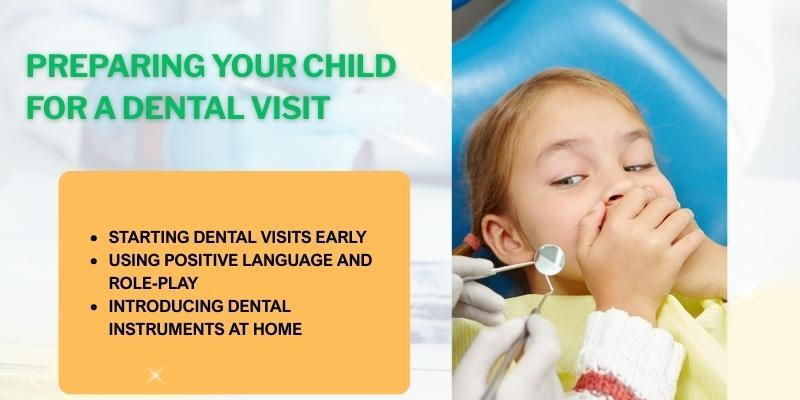
Getting your child ready for a dental visit can help reduce fear and build confidence.
You’ll want to start early, use words that make sense to your child, and help them get familiar with dental tools at home.
These steps create a positive experience that makes trips to the dentist easier.
Starting Dental Visits Early
It’s best to begin dental visits when your child’s first tooth appears or by their first birthday.
Early visits let your child get used to the sights, sounds, and smells of the dental office.
These first trips should focus on comfort, not treatment.
The dentist will do a gentle check and explain what’s happening in simple words.
This early start helps build trust and makes future visits less scary.
By taking your child to the dentist regularly from a young age, you’re helping them form good oral hygiene habits.
It also reduces the chance they will need more complex procedures later on.
Using Positive Language and Role-Play
When talking about dental visits, use words that feel safe and hopeful.
Instead of saying “it won’t hurt,” try phrases like “let’s keep your smile healthy” or “we’re learning about your teeth.”
You can also play dentist at home to make the visit fun.
Use a toy mirror, a flashlight, or even a toothbrush on a stuffed animal.
Take turns pretending to be the dentist and patient.
Role-play helps your child understand what will happen and makes the real visit less scary.
It’s a simple way to build familiarity and confidence.
Introducing Dental Instruments at Home
Familiarizing your child with dental instruments before the appointment can reduce anxiety.
Show basic tools like a toothbrush, mirror, or a small flashlight and explain how each one helps keep teeth clean.
If you have plastic or child-safe dental tools, you can gently let your child touch and explore them.
Make it a game or story to ease any nervous feelings.
This helps your child see that dental instruments are not scary but useful for healthy teeth.
When they see the real tools at the dentist, they’ll be less likely to feel afraid.
Choosing the Right Dentist and Dental Environment

Finding the right dentist and a welcoming dental office can make a big difference in how your child feels about visits.
The ideal dental setting helps your child feel safe and comfortable.
This can reduce fear and make the experience less stressful for both of you.
Finding a Pediatric Dentist
A pediatric dentist is specially trained to care for children’s teeth and to handle their unique needs.
They understand the behaviors and fears that kids have at the dentist.
Choosing one means your child is in someone who knows how to communicate with kids and make them feel at ease.
Look for a dentist who has experience with kids of your child’s age.
Pediatric dentists usually create a friendly atmosphere and use techniques to reduce fear.
You can ask other parents for recommendations or check reviews online to find someone nearby who is good with kids.
What Makes a Child-Friendly Dentist
A child-friendly dentist is patient, gentle, and knows how to explain things in a simple way your child can understand.
They usually have a calm tone and use positive words to help children feel brave.
They also use special tools to keep kids comfortable, like distraction techniques or giving control over small things during the visit (like holding a TV remote).
This helps your child feel more in charge.
A good pediatric dentist will also involve you by answering questions and guiding you on how to support your child.
Touring the Dental Environment Before the Appointment
Visiting the dental office before the first appointment can help your child feel less scared.
You can show them the waiting room, the dental chair, and the tools to make these things less strange.
Some offices even offer a “meet and greet” with the staff or let kids watch a simple demonstration.
This helps your child get familiar with the place and people.
When your child knows what to expect, the visit is less surprising and less stressful.
Checking out the environment lets you see if the office is clean, bright, and welcoming, with kid-friendly decorations or toys.
These small details help create a space where children are more relaxed and willing to return.
Ensure a Positive Experience for Your Child: Schedule Your Pediatric Dental Visit Now!
Techniques to Manage Dental Anxiety During Visits
Helping your child stay calm during dental visits means giving them tools to feel safe and distracted.
You can use comfort items, simple relaxation steps, and your support to make the experience less stressful.
These techniques work together to reduce fear and create a more positive visit.
Distraction and Comfort Items
Bringing your child’s favorite toy, blanket, or stuffed animal to the dental office can provide comfort.
These familiar items create a safe feeling in an unfamiliar place.
You can also use distractions like headphones so your child can listen to music or watch a favorite show during dental procedures.
Many dental offices have TVs or tablets with cartoons or games to keep kids’ minds off the treatment.
These distractions help children focus on something fun, which lowers stress and makes the visit feel shorter.
Make sure to prepare your child by letting them pick their comfort item before each visit.
Relaxation and Breathing Exercises
Teaching your child simple breathing exercises can calm nerves quickly.
Try asking them to take a deep breath in, hold it for a few seconds, and then slowly blow out as if blowing up a balloon.
This slows the heart rate and eases tension.
You can practice these steps with your child before and during the appointment.
Even a few deep breaths can reduce anxiety and help them feel more in control during dental procedures.
Some kids find quiet meditation or imagining a calm place helpful too, making a dental visit less scary.
Parental Support in the Dental Chair
Your calm and positive attitude goes a long way.
Sitting close, holding your child’s hand, or gently talking to them during dental work helps them feel safe.
Your presence reassures your child that they are not alone.
Avoid showing your own anxiety; instead, use encouraging words like “You’re doing great” or “Almost done.”
If your child sees you relaxed, it can lower their stress.
Being involved and supportive helps make a stress-free dental visit possible for your child.
Positive Reinforcement and Aftercare
Helping your child feel good about dental visits builds their trust and makes future appointments easier.
Small rewards and positive experiences can encourage bravery and reduce fear.
Focus on recognizing their efforts and creating a friendly, supportive atmosphere at home and at the dentist’s office.
Offering Praise and Rewards
Praise your child for being brave before, during, and after dental visits.
Use clear, simple words like “You did a great job sitting still!” or “I’m proud of you for being so calm.”
This helps them link good feelings with dental visits.
You can also set up a small reward system.
For example:
- A favorite snack or treat
- Extra playtime
- A small toy or sticker
These rewards don’t need to be big.
Their main purpose is to make your child feel appreciated and willing to face dental checkups again.
This encourages positive dental experiences by creating good memories around the dentist’s office.
Building Confidence With Positive Experiences
Create chances for your child to get used to dental care in relaxed ways.
Play pretend dentists at home using toys or mirrors.
Let your child be the dentist sometimes, it turns scary tasks into fun ones.
At the dentist, look for clinics that focus on children and use gentle communication.
Friendly staff and a welcoming environment help your child feel comfortable.
Also, keep regular dental routines at home.
Brushing together and celebrating small wins like cavity-free checkups makes dental care part of everyday life.
This steady support builds your child’s confidence and helps reduce anxiety over time.
When to Consider Professional Help or Sedation Options
Some children's fear of the dentist can make visits very hard or even impossible.
Knowing when your child's anxiety needs extra support or sedation options can help you get them the care they need safely and calmly.
When Anxiety Interferes With Dental Care
If your child refuses to open their mouth, cries nonstop, or has physical reactions like shaking or nausea during dental visits, their anxiety may be too high for normal care.
When anxiety keeps your child from completing needed treatments, it can cause bigger problems later.
You should talk to your dentist if your child shows extreme fear or panic.
Kids with strong gag reflexes or special health needs also might benefit from extra help during dental work.
At this point, professional help or sedation options can make visits less scary and easier to manage.
Understanding Sedation Dentistry for Children
Sedation dentistry uses medicines to help your child feel calm or sleepy during dental procedures.
There are different options depending on your child’s age, health, and the treatment needed.
Some common types of sedation include:
- Nitrous oxide ("laughing gas") that relaxes without putting your child to sleep
- Oral sedation, which calms your child and might make them drowsy
- Moderate to deep sedation that may require monitoring by specialists
Sedation helps children stay still and stress-free, especially for longer or more complex appointments.
Always discuss sedation options and safety measures with your child’s dentist or oral surgeon beforehand for the best care.
Frequently Asked Questions
Helping your child feel calm and safe at the dentist often means using clear communication, simple preparation, and supportive actions.
You can make a big difference by setting clear expectations and using gentle ways to ease their worries.
What are some non-drug strategies to calm a child's fear of dental visits?
You can use relaxation techniques like deep breathing or counting to help your child stay calm.
Play-based preparation, such as role-playing with toys, can also make the visit feel less scary.
Bringing along a comfort item like a favorite toy or blanket can help your child feel more secure during appointments.
How can I prepare my child for their first dental appointment to minimize fear?
Start early by visiting the dentist around your child’s first birthday or when the first tooth appears.
Talk positively about the dentist and what will happen without making promises that it won’t hurt.
Using simple, honest words and explaining the steps in a fun way will help your child know what to expect.
What techniques can a dentist use to help manage a child's anxiety during treatment?
A good dentist may use the "tell-show-do" method, where they explain what will happen and show the tools. Then, they calmly do the procedure.
They might also offer distractions like music. Some dentists let your child hold a stress ball.
Sometimes, mild sedation is used if anxiety is very high or the treatment is long.
How can positive reinforcement be used to overcome a child's dental anxiety?
Praise your child for bravery and cooperation during and after visits. Small rewards, like stickers or a favorite activity, can make dental visits more appealing.
Are there any child-friendly explanations to help reduce fear of the dentist?
Use simple words and fun comparisons to explain dental tools and procedures. For example, compare the dental mirror to a "magic looking glass."
Be honest about any discomfort. Emphasize how the dentist helps keep teeth strong and healthy.
What is the 'tell-show-do' technique and how does it help children with dental anxiety?
This technique means the dentist tells your child what will happen. They show them the tools or steps, and then do the procedure.
It breaks down the process into easy parts that build trust and reduce surprises.