
Invisalign vs Braces: Which Orthodontic Treatment Is Best for You?
posted: Dec. 11, 2025.
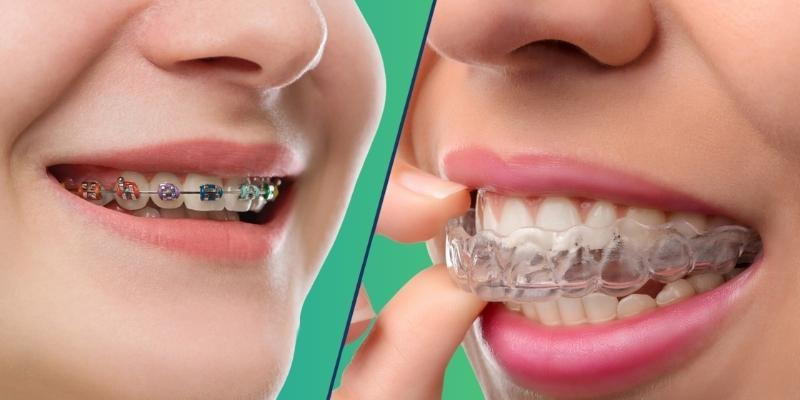
Choosing between Invisalign and braces can feel overwhelming, but it really depends on your specific dental needs and lifestyle. Both Invisalign and braces effectively straighten teeth, but Invisalign is best for mild to moderate issues and offers a more discreet, comfortable option.
Braces, on the other hand, are often better for more complex problems and can handle severe cases more reliably.
You’ll want to think about how each treatment fits into your daily life. Invisalign trays are removable, so you can eat and clean your teeth more easily, while braces stay fixed in place and may require avoiding certain foods.
The time it takes for your teeth to straighten and the overall cost can also influence your choice.
Key Takeaways
- Invisalign offers a discreet, comfortable solution for mild to moderate dental issues.
- Braces work well for complex alignment problems and severe cases.
- Daily lifestyle and treatment length are important factors when choosing.
Key Differences Between Invisalign and Braces

When choosing between Invisalign and braces, it helps to understand how each works, how they fit into your daily life, and their look. These factors can affect comfort, convenience, and how confident you feel during treatment.
How Each Treatment Straightens Teeth
Invisalign uses a series of clear, removable aligners made from a special SmartTrack material. These trays fit snugly over your teeth and gently move them by applying steady pressure.
You wear each set for about one to three weeks before switching to the next set, gradually shifting your teeth into their proper positions.
Traditional braces use fixed brackets attached to your teeth with wires running through them. The orthodontist tightens or adjusts the wires regularly to push your teeth to the right place.
Braces work well for more complex cases, such as severe crowding or rotated teeth, offering more control over tooth movement than aligners.
Removability Versus Fixed Appliances
A big difference is that Invisalign aligners are removable. You take them out when you eat, drink, brush, and floss.
This makes it easier to keep your mouth clean and enjoy all foods, though you must wear aligners 20-22 hours a day for best results.
Traditional braces are fixed to your teeth and can’t be removed until treatment ends. This means you need to avoid hard or sticky foods that can break brackets or wires.
Braces require more careful cleaning to avoid cavities, and discomfort sometimes happens when wires are adjusted.
Appearance and Aesthetics
One of the main reasons many adults choose Invisalign is because the aligners are clear and almost invisible from a short distance. They fit closely and don’t stand out, which can boost your confidence in social or professional settings.
Braces are more noticeable since they involve metal or ceramic brackets and wires on your teeth. Although ceramic or tooth-colored brackets look less obvious, braces still show when you smile or talk.
Lingual braces can be attached behind your teeth for less visibility, but they may feel less comfortable.
Suitability and Effectiveness for Different Orthodontic Needs
Choosing between Invisalign and braces depends a lot on your specific dental issues and lifestyle. Both options can straighten teeth well, but some cases need more precise control or different treatment approaches.
Ideal Candidates for Each Option
If you want a discreet way to straighten your teeth, Invisalign might suit you well. It's best for teens and adults with mild to moderate bite problems or tooth alignment issues.
It works well if you’re motivated to wear the aligners 20-22 hours per day and keep up with changing them every 1-2 weeks.
Traditional braces fit better if your orthodontic needs include complex malocclusions, severe crowding, or bite correction that needs strong, continuous force. Braces let your orthodontist adjust treatment more precisely, so they’re often preferred for tougher cases or younger kids who might not follow Invisalign’s wear rules strictly.
According to the American Association of Orthodontists, nearly 4 million people in the U.S. wear braces, with 30% of them being adults.
Both tools require regular visits to your orthodontist to track progress and make adjustments for the best results.
Conditions Treated by Invisalign
Invisalign handles many common orthodontic needs. It’s effective for mild to moderate crowding, minor gaps, and some bite problems like overbite, underbite, and crossbite when they aren’t severe.
It can also help with teeth that need slight rotation or shifting. Because the clear aligners are removable, Invisalign makes oral hygiene easier during treatment.
This reduces decay risks and gum problems. It’s a good option if you want something less noticeable for social or work settings.
However, Invisalign is not always the best choice if you have serious bite issues or jaw problems that need strong correction.
Conditions Treated by Braces
Braces are very versatile for treating a wide range of orthodontic issues. They work well for severe crowding, large gaps, and complex bite correction like jaw misalignment or deep overbites that Invisalign can’t always fix.
Braces provide continuous pressure and can control tooth movement with precision. This makes them a solid choice if you need detailed tooth alignment for cosmetic dentistry or orthodontic treatment that involves difficult tooth positions.
Because they stay in your mouth, braces don’t depend on your compliance to be effective, which might be better for younger patients or those with complicated cases needing close orthodontic supervision.
Treatment Process and Duration
Knowing how each treatment works and the time it takes can help you decide which option fits your needs best. Both Invisalign and braces follow clear steps but differ in how they correct your teeth and how long treatment usually lasts.
Steps Involved in Each Treatment
With Invisalign, your journey starts with a 3D scan of your mouth. This helps create a custom series of clear trays that gradually move your teeth.
You’ll wear each tray for 1 to 2 weeks, around 20 to 22 hours a day. You remove them for eating and cleaning.
Braces involve bonding brackets to your teeth and threading wires through them. Your orthodontist will visit every 4 to 6 weeks to tighten the wires, which gently push your teeth into place.
Since they’re fixed, you don’t need to worry about removing them, but you do have to avoid certain hard or sticky foods.
Treatment Duration and Timeline
Invisalign treatment usually takes about 12 months but can range from 6 to 18 months depending on your case. Because you wear removable trays, your results depend heavily on your daily compliance.
Braces often require 18 to 24 months on average. For complex cases, treatment can last up to 30 months.
Since braces are fixed, they work consistently without needing you to remember to wear them. You’ll visit your orthodontist regularly for adjustments to keep progress on track.
Day-to-Day Considerations: Comfort, Hygiene, and Lifestyle
Choosing between Invisalign and braces means thinking about how each fits into your daily routine. Comfort, eating habits, and keeping your teeth clean are key parts of living with either treatment.
Each option affects these areas differently, so understanding what to expect can help you decide.
Comfort and Sensation During Treatment
With Invisalign, you wear smooth plastic trays that fit closely over your teeth. These aligners usually cause less irritation to your gums and cheeks than metal braces.
Because there are no wires or brackets, you avoid painful pokes or scratches. Traditional braces use metal brackets and wires, which can rub against the inside of your mouth, sometimes causing soreness.
You might need wax to cover sharp spots. Braces are fixed, meaning you can’t remove them for relief.
Both treatments cause some pressure as teeth move, but many find Invisalign feels gentler. If comfort during treatment is important to you, this difference is worth considering.
Dietary Restrictions and Daily Life
When you have braces, there are certain foods you need to avoid to protect the brackets and wires. Sticky, hard, or crunchy foods like gum, popcorn, and nuts can damage your braces or get stuck, making cleaning harder.
Invisalign trays are removable, so you can eat whatever you like. You just take the aligners out before meals, then brush your teeth before putting them back in.
This gives you more freedom but means you have to keep your aligners safe and clean. Both treatments may affect speech at first.
Braces might cause slight lisping, while Invisalign usually has minimal impact once you get used to speaking with the trays.
Oral Hygiene and Maintenance
Cleaning your teeth with braces takes more effort. You need special tools like floss threaders or interdental brushes to reach around brackets and wires.
Braces can trap food, increasing the risk of plaque buildup, which can cause staining or gum problems if not cleaned well. Invisalign is easier for oral hygiene because you remove the trays to brush and floss as usual.
This helps keep your teeth healthier during treatment. You’ll need to clean your Invisalign trays regularly, usually by rinsing and brushing them gently.
If you skip this, bacteria can build up on the aligners, which isn’t good for your oral health. Good oral care is crucial with both options to avoid cavities and gum issues.
But Invisalign’s removability makes daily cleaning simpler.
Costs, Insurance, and Long-Term Investment
When thinking about your orthodontic treatment, it's important to look closely at the price and how you can pay for it. You’ll want to know how much you'll spend upfront, what insurance might cover, and how payment plans can help manage costs over time.
Cost of Invisalign Versus Braces
Invisalign typically costs between $3,000 and $7,000. The price depends on how many aligners you need and if you require refinements during treatment.
Invisalign tends to be slightly more expensive than traditional metal braces but is often similar in cost to ceramic braces.
Metal braces usually range from $3,000 to $7,000. Ceramic braces are a bit pricier, around $4,000 to $8,000.
Lingual braces, which are hidden behind your teeth, can cost $8,000 to $10,000 or more. Keep in mind, these prices don’t always cover extras like retainers or repairs.
Retainers can add $150–$500 to your total, so you should factor that in when planning your budget.
Insurance Coverage and Payment Options
Many dental insurance plans in the U.S. help lower your costs but have limits. You might have an orthodontic lifetime maximum of around $1,500 to $2,000.
Insurance often covers about 50%, meaning your out-of-pocket could still be significant. In the UK, kids under 18 can get NHS coverage at a fixed fee (£326.70), but adults usually pay privately.
Orthodontists often offer payment plans. These might include monthly installments with or without interest.
Some practices provide in-house financing, which can avoid extra fees, while others work with third-party lenders.
Using tax-advantaged accounts like HSAs or FSAs in the U.S. can also help reduce what you pay out-of-pocket. These flexible options make managing costs easier while getting the smile you want.
How to Choose: Making the Best Decision for Your Smile
Choosing between Invisalign and braces means thinking about your dental needs, lifestyle, and what feels right for you. You'll want to look at what your teeth require and how each option fits with your daily activities and comfort.
Consulting Your Dentist or Orthodontist
Your dentist or orthodontist plays a key role in deciding your best orthodontic treatment. They will examine your teeth and bite closely.
This helps them find out if you have mild, moderate, or severe misalignment. If you have complex bite issues or severe crowding, traditional braces might work better for you.
For mild to moderate cases, Invisalign could be a good fit. Your orthodontist will also discuss treatment time, cost, and what results you can expect.
Make sure to ask about how each option affects your oral health during treatment. Your dental expert’s advice is important because they know what will bring the best long-term results for your smile and gum health.
Prioritizing Your Personal Needs and Preferences
Think about what matters most for you during treatment. If you want a discreet look, Invisalign’s clear aligners might suit you better.
They are removable, so you can eat and brush your teeth easily, which helps maintain good oral hygiene. On the other hand, braces are fixed and visible but often handle tougher cases.
You’ll need to avoid certain foods like hard or sticky items to protect the brackets. Also, consider how often you want to visit the orthodontist.
Invisalign usually requires fewer appointments, typically every 8–12 weeks, while braces need more regular visits for wire adjustments.
Use a simple list to weigh your priorities:
- Appearance during treatment
- Comfort and ease of cleaning
- Treatment duration
- Frequency of office visits
- Ability to eat your favorite foods
This will help you decide which treatment fits your lifestyle and goals best.
Frequently Asked Questions
Both Invisalign and braces come with different costs, treatment lengths, and results depending on your needs. You’ll want to consider how each option fits your lifestyle, budget, and the type of dental issues you have.
What are the cost differences between Invisalign and traditional braces?
Invisalign usually costs between $3,000 and $7,000. Traditional braces range from $2,000 to $9,000.
Prices depend on your location, orthodontist, and how complex your case is. Sometimes, Invisalign can be more expensive because of the custom 3D aligners used.
How do treatment times compare between Invisalign and braces?
Invisalign treatment can last 6 months to 2 years. Braces typically take longer, around 1 to 3 years.
Mild cases might be quicker with Invisalign, but braces often work better for complex issues. Your orthodontist will give you a timeline based on your specific case.
Can you share before and after experiences with Invisalign and braces?
Many people report great results with both. Invisalign users like the clear look and easier cleaning during treatment.
Braces users appreciate steady progress on tougher orthodontic problems. Success often depends on how well you follow your orthodontist’s instructions, especially with Invisalign.
What are the pros and cons of Invisalign compared to braces?
Invisalign is nearly invisible, removable, and generally more comfortable. You get fewer food restrictions and simpler cleaning.
You need to wear the aligners 20-22 hours a day for the best results. Braces are fixed to your teeth, so you don’t have to remember to wear anything.
They can fix more severe issues but can cause soreness and require avoiding certain foods. Cleaning around braces takes more effort.
Which is more suitable for adults, Invisalign or braces?
Many adults choose Invisalign because it looks discreet and fits busy lifestyles. Braces still work great for adults, especially if you need more complex corrections.
Your choice depends on your comfort level with how the device feels and looks during treatment.
Are there differences in effectiveness for treating overbites between Invisalign and braces?
Braces are generally more effective for serious overbite corrections because they apply steady, strong pressure.
Invisalign can help with mild to moderate overbites but may not work as well for severe cases.