
Invisalign Treatment Timeline: Your Step-by-Step Guide to a Straighter Smile
posted: Dec. 11, 2025.
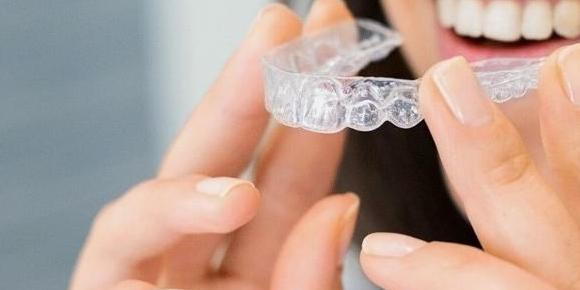
If you're thinking about getting Invisalign, you probably want to know how long the treatment will take. Most Invisalign treatments last between 6 and 24 months, depending on the complexity of your case and how well you follow the treatment plan.
Wearing your aligners as directed and attending regular check-ups are key to staying on track. The process starts with a consultation and custom-made aligners that gently move your teeth over time.
Every few weeks, you switch to a new set of aligners, and your dentist checks your progress. Your treatment timeline may also include a final phase to keep your new smile looking great for years to come.
You’ll learn how to get the best results and how your daily habits affect the speed of your treatment. For a clear look at how Invisalign works and the timeline you can expect, keep reading.
Key Takeaways
- Invisalign treatment usually takes 6 to 24 months based on your individual needs.
- Following your aligner schedule and dentist’s advice speeds up progress.
- A retention phase after treatment helps maintain your new smile.
Start your Invisalign journey today at University Dental Family Dentistry in Bayside!
What Is Invisalign and How Does It Work?

Invisalign uses clear, removable aligners to gently move your teeth over time. These aligners are custom-made based on a digital plan that shows how your teeth will shift.
The process is designed to fit your lifestyle while treating a wide range of dental issues. You will swap your aligners every 1 to 2 weeks, and regular check-ins with your orthodontist help track your progress.
This method avoids the wires and brackets of braces while still working effectively.
Benefits of Clear Aligners
Clear aligners like Invisalign are nearly invisible. This means you can straighten your teeth without drawing attention to your orthodontic treatment.
They are also removable, so you can take them out to eat, drink, brush, and floss. This makes it easier to maintain good oral hygiene compared to traditional braces.
Wearing clear aligners typically causes less discomfort because there are no metal parts digging into your gums or cheeks. The smooth plastic feels more comfortable from the start.
Additionally, Invisalign treatment generally has fewer emergency visits since there are no broken wires or loose brackets to fix.
Comparing Invisalign to Traditional Metal Braces
Traditional metal braces use brackets and wires that stay attached to your teeth until treatment ends. You cannot remove them, which can make eating and cleaning your teeth harder.
Metal braces are visible and may affect your appearance during the treatment. Invisalign, on the other hand, is clear and much less noticeable.
Metal braces might be better suited for very complex cases, but Invisalign works well for many mild to moderate alignment issues. You will need to visit your orthodontist regularly with both methods, but Invisalign appointments often involve getting new sets of aligners rather than adjustments to wires.
Invisalign’s removable feature lets you enjoy meals and clean your teeth normally, while braces require extra care to prevent food from getting stuck.
Key Factors That Impact Your Invisalign Treatment Timeline

Your Invisalign treatment timeline depends largely on how complex your case is, your age, and how well you follow your aligner schedule. Studies show that Invisalign has an 88% success rate in treating mild to moderate cases of teeth misalignment.
These key points help shape how long your teeth take to move and settle.
Severity: Mild, Moderate, and Severe Cases
The condition of your teeth is a big factor in how long treatment lasts. If you have mild cases, like small gaps or slight crowding, treatment usually takes 3 to 6 months.
For moderate cases, which may include noticeable crowding or mild bite issues, expect a timeline of about 6 to 18 months. These often require extra steps like attachments on your teeth to help with force control.
If your case is severe, with problems like underbites, deep overbites, or significant crowding, treatment can stretch from 18 to 24 months or even longer. You might need elastics, refinements, or additional trays to reach the best results.
Age and Responsiveness to Treatment
Your age plays a role in how quickly teeth move with Invisalign. Younger patients, such as children and teens, often see faster progress because their bones and gums respond well to treatment.
For teenagers using Invisalign, treatment generally takes 12-18 months, with results similar to those achieved with traditional braces.
For adults, treatment typically takes longer, from 12 up to 24 months, due to denser bones and slower biological response.
Consistency in Wearing Aligners
Wearing your aligners as directed is the most important part of staying on track. Invisalign works best when worn 20 to 22 hours each day.
Taking them out too often or forgetting to wear them will slow progress and can add weeks or months to your timeline. Using tools like chewies helps keep aligners snug on your teeth, improving their effectiveness.
Missing dental check-ups or delaying refinements also delays the overall process. Staying consistent ensures smoother, predictable results and shorter Invisalign treatment time.
Start your Invisalign journey today at University Dental Family Dentistry in Bellmore!
Stages of the Invisalign Treatment Process
Your Invisalign journey begins with a careful look at your teeth and ends with wearing clear aligners that fit just for you. Each step builds on the last to make sure your teeth move safely and predictably.
Initial Consultation and Digital Scans
The first step is your initial consultation with an orthodontist. During this visit, you’ll talk about your smile goals and any concerns you have.
The orthodontist will examine your teeth and mouth to see if Invisalign is a good fit for you. Next, advanced imaging technology captures digital scans of your teeth.
These 3D scans replace messy molds and create a precise model of your mouth. This helps the orthodontist plan your treatment with more accuracy.
You’ll also get a preview of what your new smile could look like. This technology gives a clear start to your personalized treatment plan.
Customized Treatment Plan Development
After your scans, your orthodontist designs a customized treatment plan just for you. This plan shows how your teeth will move each step of the way.
It also estimates how long the entire process will take. Your personalized treatment plan includes details like which teeth need to shift and when you’ll switch to new aligners.
Sometimes, small tooth-colored attachments are included in the plan. These help your clear aligners grip your teeth better and move them more precisely.
Your orthodontist reviews the plan with you so you know what to expect.
Aligner Fitting and Getting Started
Once your treatment plan is ready, it’s time to get your first set of clear aligners. Your orthodontist will fit the aligners to your teeth and show you how to put them in and take them out.
They will also explain how to care for your aligners and the importance of wearing them consistently. At this stage, you might need to get those small attachments placed on your teeth.
These are smooth and match your tooth color, so they’re barely visible. Your mouth may feel a little strange at first, and you could notice a slight lisp.
These feelings usually go away quickly as you get used to the aligners.
Wearing Aligners and Daily Routine
Wearing your aligners is key to seeing results. You’ll need to wear them for about 22 hours a day, removing them only to eat, drink (anything besides water), and clean your teeth.
You will switch to a new set of aligners every one to two weeks. Each set gently moves your teeth closer to the final positions in your treatment plan.
During this time, regular check-ups with your orthodontist help track your progress and make any needed adjustments. Cleaning your aligners daily with lukewarm water and mild soap keeps them clear and fresh.
Good oral hygiene also helps your treatment move smoothly. Staying consistent with wearing and caring for your aligners helps you get the best results on time.
For more detailed information about the process, you can read the Invisalign treatment timeline guide at SmilePerfectors.
Regular Check-Ups and Aligners Progress
During your Invisalign treatment, keeping up with appointments and monitoring your teeth’s movement are very important. These visits help your orthodontist ensure everything is going as planned and your teeth are moving correctly with the aligners.
Tracking Progress and Making Adjustments
You’ll visit your orthodontist every 6 to 8 weeks to check how well your teeth are moving. During these visits, your orthodontist looks at your teeth and fit of your aligners.
They make sure the aligners are working correctly and your teeth are shifting as expected. If your teeth aren’t moving as planned, your orthodontist may adjust your treatment.
This might include changing how long you wear each set of aligners or ordering new ones. These check-ups keep your treatment on track and help avoid delays.
Refinements for Optimal Results
Sometimes, your orthodontist may recommend refinements, which are extra aligners to fine-tune your smile. Refinements happen when small corrections are needed after the main treatment.
These additional aligners help with any teeth that didn’t move exactly as expected. Your orthodontist will guide you through this process.
For more details, see this Invisalign timeline guide.
Retention Phase: Maintaining Your New Smile
Keeping your teeth in place after Invisalign is just as important as the treatment itself. This phase focuses on making sure your teeth don’t shift back and that your mouth stays healthy.
You’ll learn how to wear your retainers properly and keep your oral hygiene strong for lasting results.
Using Retainers After Invisalign
Once your Invisalign treatment ends, wearing a retainer is essential to hold your teeth in their new position. For the first 3 to 6 months, you should wear your retainer 20 to 22 hours a day, removing it only to eat, brush, or floss.
After this period, most people switch to wearing their retainer only at night. This routine still protects your smile and prevents unwanted movement.
Keep in mind, skipping nights even after the initial phase can cause small shifts, so being consistent is key. Retainers come in two main types: removable (clear or Hawley style) and permanent (bonded behind your teeth).
Your choice will affect how often you wear and clean your retainer. Always follow your dentist’s specific instructions for the best results.
Oral Hygiene and Long-Term Oral Health
During your retention phase, it's important to keep your retainers clean. Rinse them daily and brush gently with lukewarm water to avoid warping.
Avoid hot water and harsh chemicals. Maintaining good oral hygiene helps prevent plaque buildup around your teeth and any retained areas, especially if you have a bonded retainer.
Floss carefully around fixed retainers using special floss or threaders to avoid gum problems. Regular dental checkups during this phase help monitor your teeth’s position and oral health.
This care protects your investment in Invisalign and keeps your smile looking healthy long term.
Frequently Asked Questions
What's the typical duration for Invisalign treatment from start to finish?
Most Invisalign treatments last between 12 and 18 months. Some cases might be shorter if your teeth need only minor corrections, or longer if your alignment issues are more complex.
Your dentist will give you a more exact timeline based on your needs.
How much daily wear is required for Invisalign aligners to be effective?
You need to wear your aligners for about 22 hours each day. This means only removing them for eating, drinking anything other than water, and cleaning.
Missing hours can slow down your progress.
Can you describe the process and timeline for closing gaps with Invisalign?
Closing gaps usually starts to be noticeable around the third month of treatment. The aligners apply gentle pressure to move your teeth closer together, which takes several months depending on the size of the gaps.
You may need refinements if gaps don’t close fully.
What should I expect during the first few weeks of Invisalign treatment?
The first week can feel strange as your mouth adjusts to the aligners. You might notice a slight lisp or some pressure, which means your teeth are shifting.
Discomfort usually fades within a few days, and new trays will be given every 1-2 weeks.
For how long after completing Invisalign do I need to wear retainers?
After your treatment ends, you’ll wear retainers full-time for a few months. Then, most people switch to wearing them only at night.
This helps keep your teeth from shifting back to their original positions.
Is the timeline for correcting crowded teeth with Invisalign different from other alignments?
Yes. Crowded teeth often take longer to straighten than simple spacing issues.
Complex crowding can extend your treatment beyond the typical 12-18 months depending on how severe it is and your consistency wearing the aligners.